Ashutosh Rana
Software Developer at Infosemantics Inc/ Cherryroad
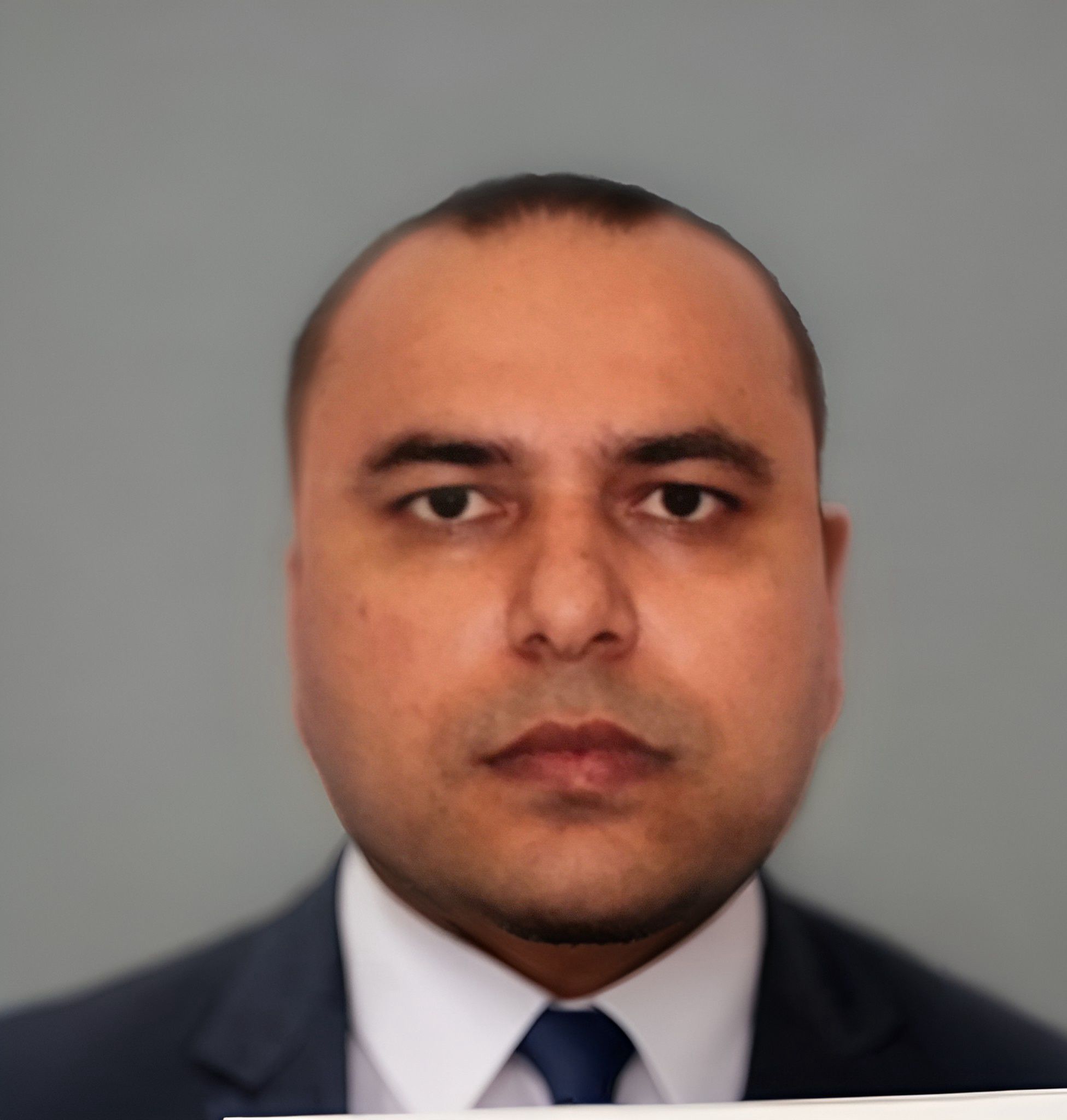
FELLOW MEMBER
Ashutosh Rana has built a two-decade career at the intersection of enterprise architecture, cloud transformation, and automation—specializing in the kind of large-scale integration work that determines whether modern organizations move fast or remain constrained by legacy complexity. Across Education, Telecom, and Finance, Rana’s track record is defined by converting fragmented enterprise ecosystems into cohesive, intelligent platforms—systems designed not only to function, but to scale, comply, and deliver measurable operational outcomes.
In recent work, Rana has focused on operationalizing applied AI inside enterprise CRM environments—moving beyond static workflows toward assistive and increasingly autonomous systems. As Lead Developer and Technical Architect, he created an assistive agent built on large language models and Retrieval-Augmented Generation (RAG), leveraging Google Vertex AI and aligning with Salesforce Agentforce capabilities. The goal was practical and high-impact: provide real-time student insights to reduce counselor research time, while enabling customers to receive support through voice, chat, and SMS interfaces. Rana’s role spanned architecture design, data orchestration, and compliance alignment—turning an AI concept into an enterprise-ready, governed solution that improved productivity and user experience.
A consistent theme in Rana’s work is unification—bringing disparate data and processes into a single, authoritative system that improves decision-making and accountability. On Google Cloud Platform, he architected a Unified Contact Profile using BigQuery and Vertex AI, integrating CRM, SIS, and marketing data into a consolidated view of constituents. By incorporating predictive models and segmentation strategies, the platform shifted engagement from reactive to anticipatory—enabling departments to act on evidence-based insights rather than intuition, while maintaining a strong data foundation through robust modeling and orchestration pipelines.
Rana has also demonstrated an ability to modernize operational workflows where adoption depends on usability and tight synchronization with everyday tools. He led the implementation of Salesforce Scheduler integrated with Outlook via Einstein Activity Capture, automating scheduling and ensuring real-time synchronization and analytics visibility. The result was tangible: appointment attendance increased by 25%, improving both operational efficiency and the fidelity of engagement reporting.
In parallel, Rana has addressed a growing enterprise mandate: communicating at scale across channels without compromising consent, governance, or regulatory posture. He developed an omni-channel communication platform that unified chat, WhatsApp, SMS, and voice, while centralizing consent management aligned with TCPA and GDPR requirements. The solution brought multiple channels under one compliant, real-time architecture, supported by RESTful API integrations and orchestrated cross-platform workflows—improving consistency of outreach and strengthening enterprise data governance.
His modernization work extends to complex migrations where technical success depends on strategy, interoperability, and disciplined execution. Rana directed a multi-university CRM modernization program, migrating PeopleSoft CRM to Salesforce while implementing MuleSoft integrations across ten systems. This was not merely a replatforming exercise; it established a flexible, cloud-based CRM foundation while preserving interoperability across an enterprise landscape—supported by Rana’s leadership in migration strategy, integration architecture, and data governance.
Rana has repeatedly paired platform modernization with process automation to reduce cycle times and improve service outcomes. He engineered a DocuSign-integrated PeopleSoft workflow to automate transcript approvals and delivery, embedding digital signatures and API-driven automation to cut processing time by 50%. He also delivered a mobile-first admissions experience in PeopleSoft, modernizing a legacy interface into a mobile-enabled workflow with real-time tracking, analytics, and accessibility compliance—boosting self-service applications by 50% while strengthening inclusivity.
Underpinning these initiatives is a security-aware engineering approach, especially visible in his work implementing CI/CD pipelines integrated with identity federation solutions such as ForgeRock, OpenAM, and Ping Identity MFA. By aligning DevOps automation with identity and security controls, Rana strengthened delivery governance and established deployment policies and authentication frameworks that support continuous, secure operations in multi-tenant environments.
Across these programs, Rana’s professional signature is clear: enterprise transformation grounded in architectural rigor, measurable outcomes, and governed automation—where AI and data are not added as features, but integrated as capabilities that raise productivity, compliance posture, and user experience simultaneously.