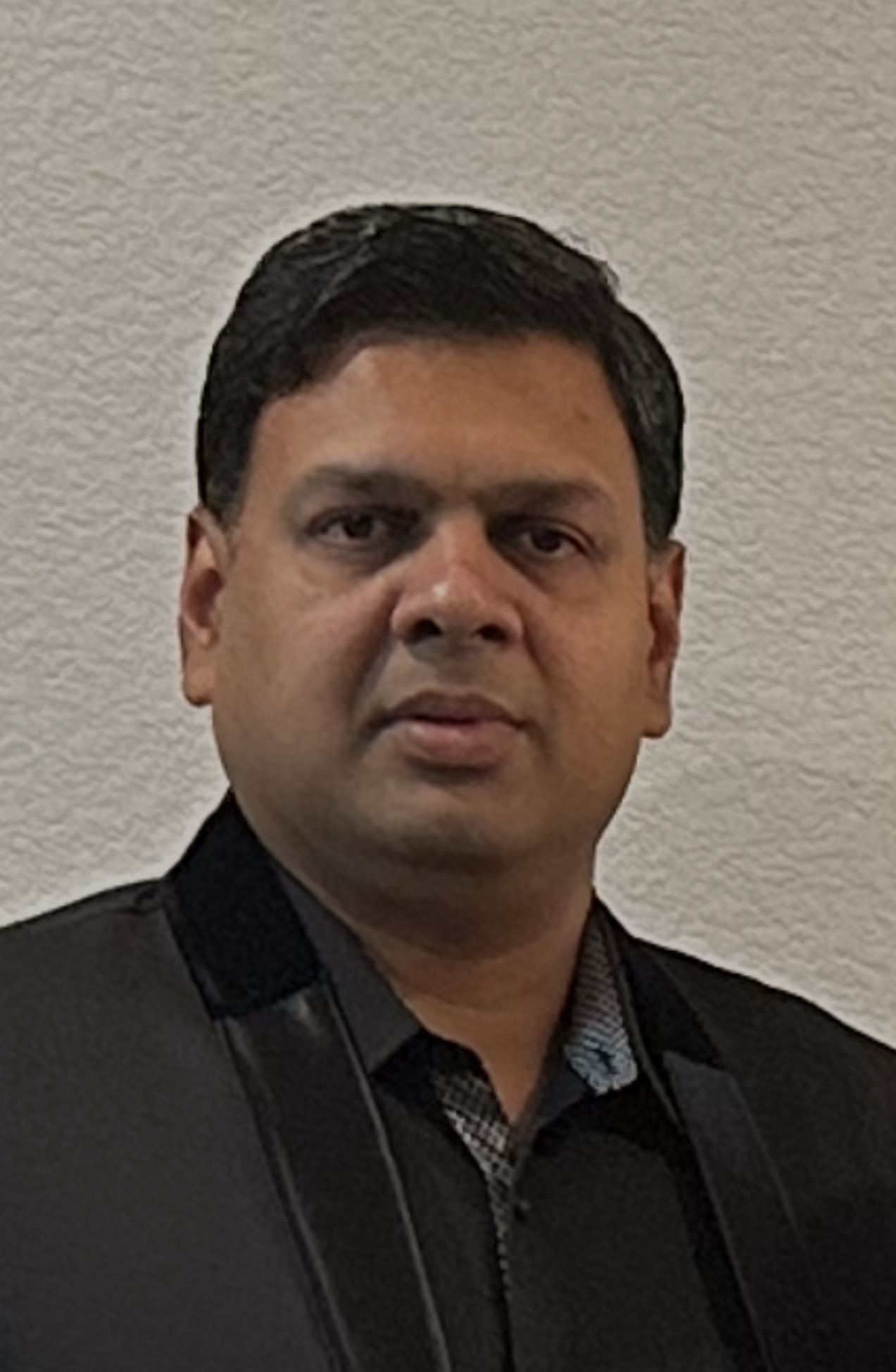
Dheeraj Kumar Bansal
Program Manager at Wipro
FELLOW MEMBER
Dheeraj Kumar Bansal is an enterprise data engineering leader whose seventeen-year career has been defined by building the analytical foundations that global organizations rely on to run, measure performance, and make decisions. Specializing in large-scale data warehouse architecture and enterprise reporting ecosystems, Bansal has led complex, multi-year data programs that blend technical modernization with organizational change—unifying fragmented reporting estates, improving data reliability, and introducing advanced analytics capabilities into environments historically built for traditional business intelligence.
A central theme in Bansal’s work is reporting modernization at scale. In long-running enterprise programs, he has managed reporting streams spanning traditional BI, SAP-based reporting, and AI-augmented analytics—driving a strategy to reduce redundancy, standardize reporting practices, and introduce scalable frameworks that accelerate insight delivery. His work in this domain goes beyond building dashboards: it includes end-to-end requirements engineering, designing communication protocols that keep stakeholders aligned, and shaping data architectures for reusability and efficiency. By integrating AI-enabled reporting into legacy ecosystems, he has helped shift reporting from purely descriptive outputs toward predictive and prescriptive insights, improving cycle times and strengthening executive decision-making.
Bansal’s technical depth is particularly evident in SAP-centric analytics transformations. He led technical design, development, and support transitions for SAP BW on HANA and ECC reporting systems, with a focus on performance, modernization of information models, and improved analytic responsiveness. By introducing HANA-native modeling constructs—such as Calculation Views, Analytic Views, and Composite Providers—he replaced legacy structures to enable real-time analytics that are difficult to achieve in ECC-centric architectures. His contributions included optimizing extraction patterns, redesigning process chains using LSA principles, resolving core architectural bottlenecks, and executing critical system upgrades (BW 7.01 to 7.30) with stable cutover and continuity—work that requires both precision engineering and operational leadership.
In parallel, Bansal has served in L3 leadership roles for global SAP BW ecosystems integrating ECC, CRM, SRM, and third-party systems. In these environments, the challenge is not only building analytics but ensuring data can be trusted across multiple markets and business units. He has led data quality and performance optimization programs—introducing automated load-optimization methods, redesigning process chains to improve stability, and establishing preventive engineering practices through operational runbooks, alert frameworks, and reusable templates. These interventions reduced recurring production issues, strengthened adherence to global SLAs, and increased confidence in enterprise reporting among business stakeholders.
Bansal’s track record also includes end-to-end blueprinting and market rollouts for multiple SAP BW implementations. He has helped define scalable architectures designed to work across diverse geographies and business units, while introducing reusable components and standardized deployment frameworks to reduce build time and improve consistency. His responsibilities have spanned hands-on modeling, onsite–offshore coordination, performance testing, cutover planning, and structured handover to support teams—ensuring deployments are sustainable, not merely delivered.
Where many reporting organizations remain constrained by batch ETL cycles, Bansal has also driven real-time reporting enablement through HANA Live and custom real-time models. In these initiatives, he built HANA Live views over standard and custom HANA tables and optimized SQL-based calculation logic to deliver operational insights without waiting for scheduled BW loads. By collaborating closely with business users to tailor real-time information to day-to-day operational needs, he increased transparency and shortened the time between operational events and decision-making.
Beyond engineering delivery, Bansal has repeatedly operated at the governance layer of enterprise technology. He has led governance programs spanning more than 150 enterprise applications—building integrated release roadmaps, managing change-control boards, and steering stakeholder alignment through metrics-driven dashboards and standardized communications. This governance work introduced structured release planning across heterogeneous systems, enabling better risk management, stronger SLA adherence, and cost optimization while improving customer satisfaction through proactive, system-level improvements.
Across all these efforts, Bansal’s distinguishing contribution is the ability to combine deep technical expertise with program leadership: modernizing data platforms, operationalizing real-time analytics, improving reliability, and creating governance structures that help large organizations execute change safely. His career reflects sustained excellence in enterprise data engineering and a consistent focus on advancing how organizations generate, trust, and act on data.