Harikrishnan Muthukrishnan
Principal IT Developer at BCBS FLORIDA
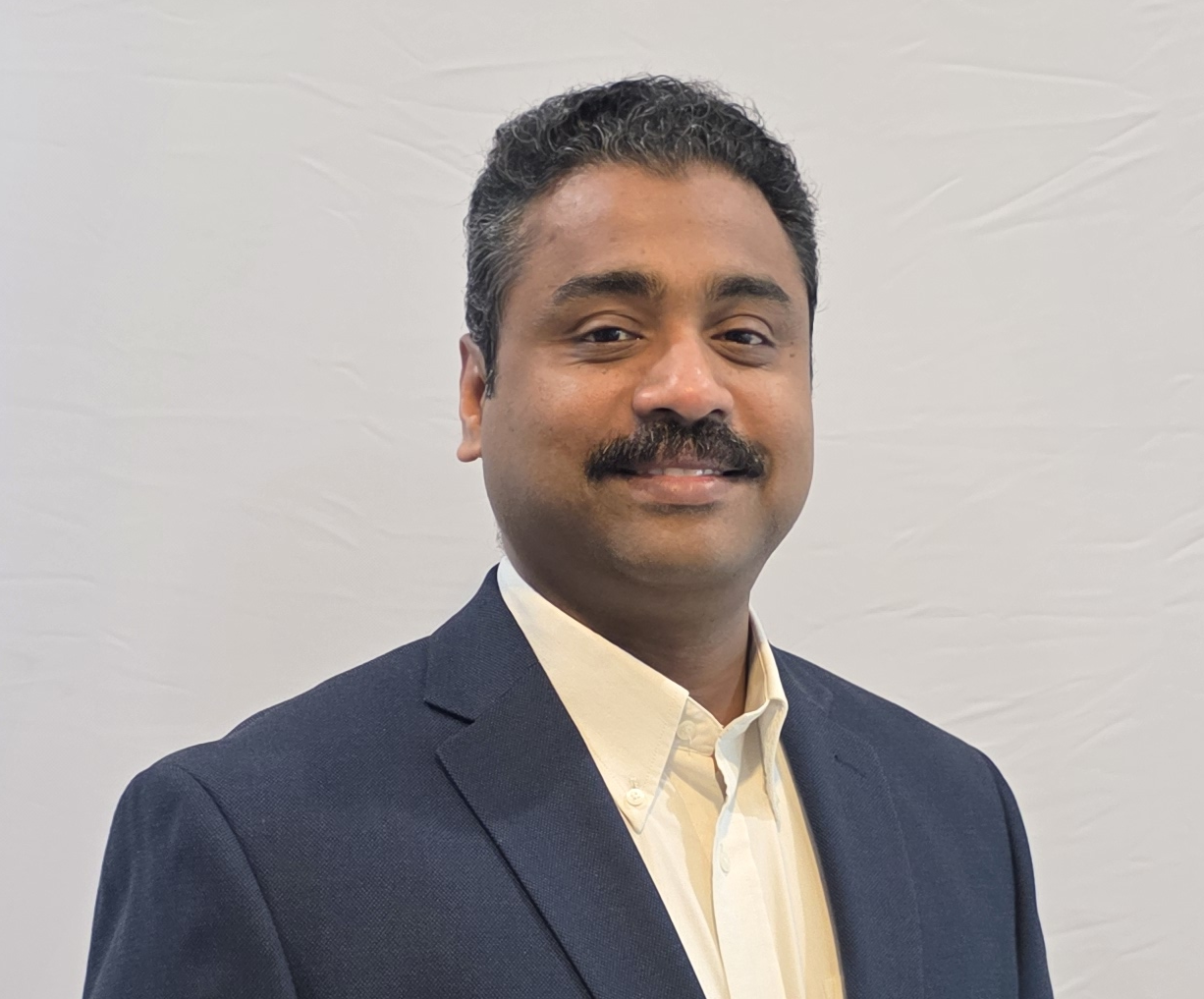
FELLOW MEMBER
Harikrishnan Muthukrishnan’s career reflects the profile of a senior technologist shaped by the realities that define modern enterprise computing: complexity, scale, regulation, and accountability. With more than two decades of progressive experience across multiple geographies and sectors—including healthcare, retail, supply chain, financial systems, and large-scale enterprise platforms—Muthukrishnan has consistently operated at the intersection of systems architecture, platform engineering, and regulated environments where reliability, security, and ethical responsibility are core design constraints rather than secondary considerations.
Across his career, Muthukrishnan has focused on designing, modernizing, and governing mission-critical systems that serve large user populations, manage sensitive data, and support national-scale operations. In these environments, the success of an engineering program is measured not only by delivery speed but by sustained operational trust—systems that remain resilient under change, auditable under scrutiny, and secure under evolving threat models. His work has therefore emphasized architecture and governance that can survive growth: modernization pathways that reduce technical debt, platform practices that improve consistency, and operational frameworks that support long-term reliability.
A defining theme in Muthukrishnan’s trajectory is technical leadership that extends beyond individual contribution. He has led and influenced multi-disciplinary teams responsible for platform modernization, cloud and high-performance computing integration, DevSecOps adoption, and enterprise application architecture. Rather than treating security and compliance as “gate checks,” his work highlights governance-by-design—embedding auditability, resilience, and responsible operational controls into the engineering lifecycle. In regulated industries such as healthcare, this approach becomes particularly consequential: systems must be designed to withstand both operational pressures and formal oversight, while protecting sensitive data and supporting responsible use of emerging technologies such as AI and automation.
Muthukrishnan’s leadership is framed as outcomes-oriented: improving system reliability, accelerating delivery cycles, strengthening security posture, and increasing the predictability of operations. In enterprise contexts, these outcomes are often the difference between platforms that can evolve and platforms that become brittle under incremental change. His experience across diverse domains also indicates a broader capability: applying consistent engineering principles—security, observability, governance, and platform discipline—across varied business models and technology stacks.
Alongside industry leadership, Muthukrishnan has maintained steady involvement in the professional community through participation in technical bodies and communities in leadership, mentoring, reviewing, and advisory capacities. He regularly mentors early-career professionals and students, focusing not only on system design and career development, but also on ethical decision-making—an increasingly important dimension in a field where technology choices influence real human outcomes and institutional trust.
His contributions also include authorship and thought leadership in areas such as platform engineering, low-code systems, DevSecOps, observability, and responsible operationalization of AI. Through articles, conference papers, and invited talks, he has aimed to translate complex engineering concepts into practical frameworks that organizations can adopt responsibly—bridging the gap between theory and implementation, and strengthening the profession’s shared standards.
Taken together, Muthukrishnan’s profile reflects a Fellow-level posture: sustained technical leadership in mission-critical systems, a governance-first approach suitable for regulated industries, and consistent service to the broader professional community through mentorship and knowledge dissemination. His stated motivation for IICSPA Fellowship aligns with that trajectory—supporting cross-border knowledge exchange, mentoring future practitioners, and helping shape resilient, inclusive, and ethically grounded practices in computer science.