Jaymin Harishkumar Sutarwala
Associate CRM Strategy and Operations Director at United Therapeutics Corporation
FELLOW MEMBER
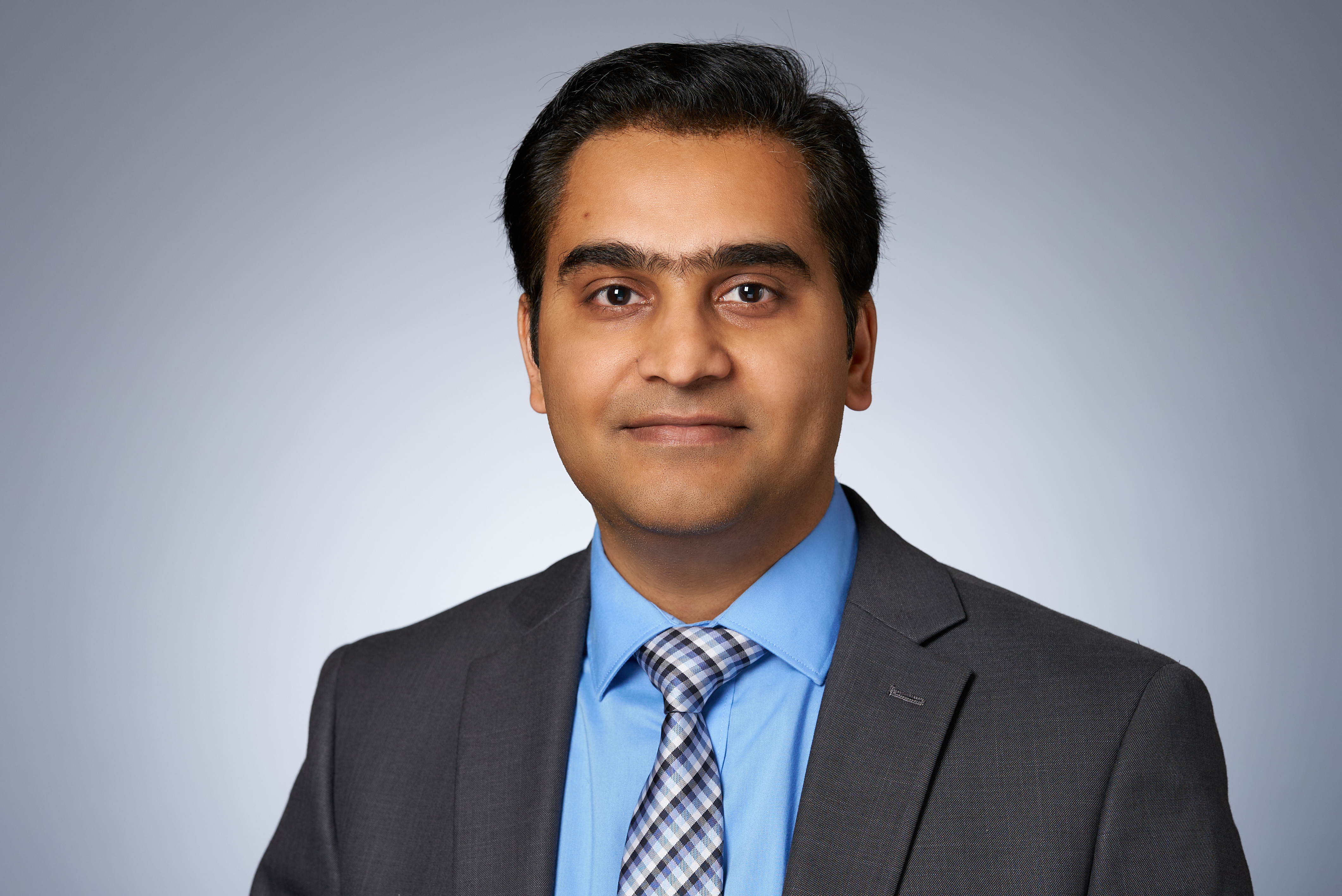
Jaymin Harishkumar Sutarwala is an enterprise systems strategist and digital transformation leader whose 19-year career has centered on building large-scale information platforms in highly regulated environments—especially healthcare and life sciences, where compliance requirements and human outcomes are tightly coupled. His work sits at the intersection of computer science, system integration, and operational governance, with a consistent objective: deliver scalable, ethical digital systems that improve service delivery, strengthen auditability, and create durable organizational capability rather than short-lived project outputs.
Sutarwala currently serves as Associate Director of CRM Strategy and Operations at United Therapeutics Corporation, where he leads the strategic direction, platform architecture, and operational governance of Salesforce and Veeva-based ecosystems supporting commercial, medical, and patient services functions. In this role, he functions as a translator between business mission and technical execution—ensuring that enterprise platforms are resilient and secure while remaining aligned with regulatory standards, patient privacy expectations, and long-term sustainability. His leadership is not limited to “running the CRM”; it is platform stewardship—defining architecture, integration strategy, operating models, and governance controls that determine whether a system can reliably support mission-critical workflows over time.
A defining contribution of his recent work is leadership of a large-scale Patient CRM modernization initiative. This program consolidated fragmented patient engagement workflows into a unified digital platform built on Salesforce Health Cloud, integrated with third-party healthcare data sources. The result was measurable and patient-facing: patient intake time was reduced by approximately 40%, referral processing was automated, and data quality and accessibility improved for care teams. In a context where delays and discontinuities can affect outcomes for patients with rare and life-threatening diseases, the modernization reduced friction in therapy access and improved continuity of care. The work reflects Sutarwala’s commitment to patient-centric architecture and to responsible data practices—designing systems where efficiency gains are inseparable from governance, privacy, and clinical-grade reliability.
Across prior organizations, Sutarwala has repeatedly elevated system integration from a technical implementation activity into a strategic capability that improves organizational resilience. At Mayne Pharma, he led rapid deployment of Veeva Engage to sustain physician engagement during pandemic-era restrictions—maintaining business continuity without compromising compliance or data integrity. At Patheon, he designed enterprise automation platforms spanning contract management, regulatory documentation, and client feedback systems—reducing manual processing time by up to 90% while strengthening traceability, governance, and audit readiness. Earlier at Infosys, he contributed to large-scale supply chain transformation initiatives and helped establish offshore delivery operations, mentoring cross-border teams and building long-term technical competencies that extended beyond individual engagements.
Technically, Sutarwala’s toolkit spans CRM platforms, cloud services, automation systems, integration frameworks, and legacy modernization. But his distinguishing attribute is professional influence: architecture leadership, governance frameworks, and operating-model design that keeps platforms effective years after launch. Several systems he designed continue to run as core enterprise platforms long after implementation—evidence of a long-horizon engineering mindset focused on maintainability, auditability, and controlled evolution.
In parallel, Sutarwala has invested in mentorship and professional development. He has trained and guided engineers, consultants, and analysts across geographically distributed teams, emphasizing not only technical proficiency but professional judgment—how to design responsibly in regulated environments and how to build systems that remain trustworthy over time. His career, taken as a whole, reflects a consistent thesis: enterprise computing should be ethical by design, governed for accountability, and built to serve real human needs—especially in healthcare, where system quality directly affects patient experience and access to care.