Khader Ahmed Mohammed
Senior Application Development Engineer at Centene Corporation
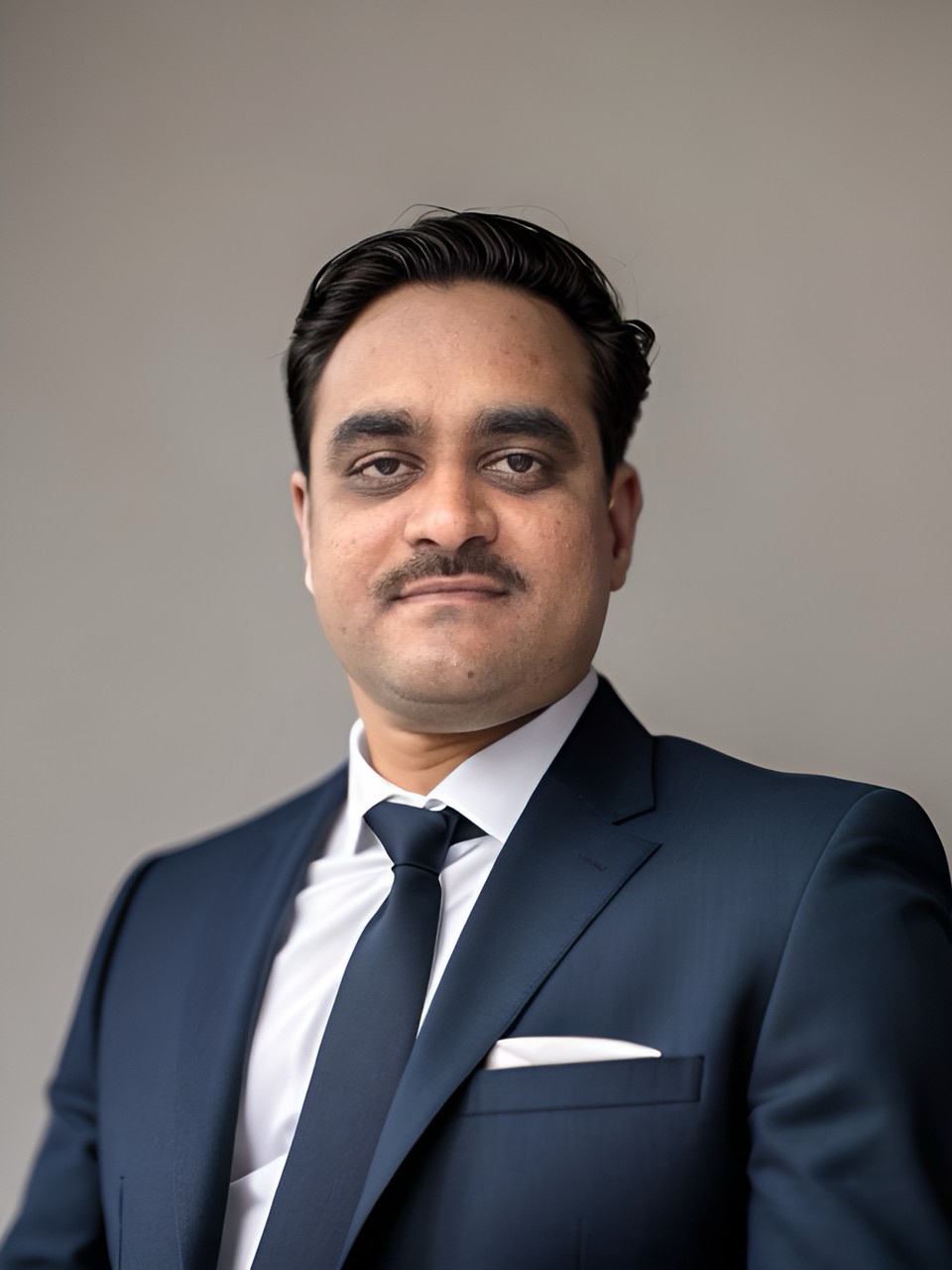
FELLOW MEMBER
Across 19 years of enterprise delivery, Khader Ahmed Mohammed has built a career at the intersection of business process automation, case management, and regulated industry operations, specializing in PEGA PRPC and Java/J2EE implementations that translate complex policy into auditable, production-grade workflows. His experience spans healthcare insurance, financial services, capital markets, automotive manufacturing, oil and gas, and global shared services, with international assignments across the United Kingdom, Japan, Bahrain, and the United States. This geographic range, combined with work for Fortune 500 organizations—including Centene Corporation, British Petroleum, Citigroup, American Express, FIAT, Ducati, HomeServe, and Schlumberger—reflects a practitioner whose impact is defined by operational outcomes: reduced cycle times, stabilized production systems, improved SLA compliance, and enterprise-scale workflow reliability.
At Centene Corporation, Mohammed serves as a Lead Application Developer, focused on the PRIME Appeals and Grievances application supporting Medicare, Medicaid, MMP, Marketplace, and Commercial plans. In this role, he bridges policy-driven healthcare processes and engineering execution—owning solution design and guiding cross-functional teams to convert complex regulatory and member-service requirements into PEGA case types, data models, and integrations. His responsibilities include designing Data Pages, building Connect-REST integrations, and overseeing connectivity to legacy platforms using REST/SOAP, enterprise SSO, and LDAP authentication. In high-complexity appeal scenarios where platform constraints can limit flexibility, he developed custom Java functions to extend PEGA capabilities—work that produced a 50% reduction in case processing time for complex cases and evolved into a reusable framework adopted beyond his immediate team, becoming part of internal best-practice patterns.
Earlier, as a Senior Consultant at AmeriCloud Solutions, Mohammed contributed to large-scale service operations by designing 20+ critical service intents for an OMNI call center application supporting 20,000+ users, consolidating data across multiple external systems into coherent agent workflows. His contributions covered FileNet integration, Data Page connectivity patterns, and performance stabilization—addressing database issues and collaborating with SRE teams to tune JVM settings to improve system reliability in production.
His international consulting work at Virtusa demonstrates repeated exposure to performance-critical, customer-facing environments. On HomeServe UK’s Unity program, he designed key service intents, configured PEGA workflows, and supported production cutover remediation—resolving memory leakage issues via JVM tuning. For SOMPO Japan, he coordinated infrastructure setup, enhanced the vClaims system, and delivered a Policy Search API using REST services, while addressing performance constraints to meet a stringent 2-second SLA. At American Express, he contributed to a Credit Bureau Reporting system by building dispute case management screens, decision logic, validation rules, and SOAP integrations enabling automated data exchange—work aligned with the compliance posture required for consumer credit reporting.
Mohammed’s earlier career foundation includes platforms that operate at the core of enterprise finance and operations. At British Petroleum in London (via Accenture), he served as an Onsite Coordinator, designing Adobe CQ5 templates/components and building OSGi Java bundles to implement dynamic business logic while coordinating offshore execution. At Accenture, his assignments for Ducati and FIAT focused on dealer and spare-parts systems—developing cross-browser portals, SAP RFC integrations, and high-quality delivery practices including code reviews and design documentation. In capital markets, his work at Polaris Software Lab supporting Citigroup covered trade settlement, clearance, treasury workflows, and multi-country operations. He handled root cause analysis, impact analysis, code fixes, and batch operations (including Autosys), ensuring settlement feeds were accurate and timely for clearing agents and risk functions across 40+ countries. At Atos Origin, supporting Schlumberger’s Employee Services International platform, he delivered application support and enhancements, managed QA-to-production deployments, and maintained service continuity through structured triage and RCA discipline.
Alongside delivery, Mohammed has invested in knowledge transfer and capability building—conducting code reviews, mentoring junior staff, training production support teams on monitoring and operational readiness, and producing technical documentation that improves maintainability after go-live. He frames this work within an ethical lens: when platforms govern healthcare outcomes, insurance adjudication, or financial settlement accuracy, engineering decisions directly impact fairness, privacy, compliance, and user trust.
Mohammed’s profile also includes scholarly and professional contributions that extend beyond enterprise implementation. He has published multiple articles across healthcare and financial operations themes—covering proactive claims-status alert frameworks, workflow automation for coverage continuity, payment reconciliation using process mining and exception playbooks, and guardrailed LLM systems for insurance claims triage—reflecting an effort to formalize practical enterprise lessons into reusable, technology-agnostic approaches. Recognition through Claro Awards for Tech Excellence (distinguished honor category) and membership in Sigma Xi further signal peer validation of sustained contribution and professional seriousness. His fellowship intent aligns with applying enterprise automation expertise responsibly—sharing implementation patterns that raise standards in reliability, governance, and ethical system design across regulated domains.