Parag Gurunath Sakhalkar
Principle - System Engineer at Ally
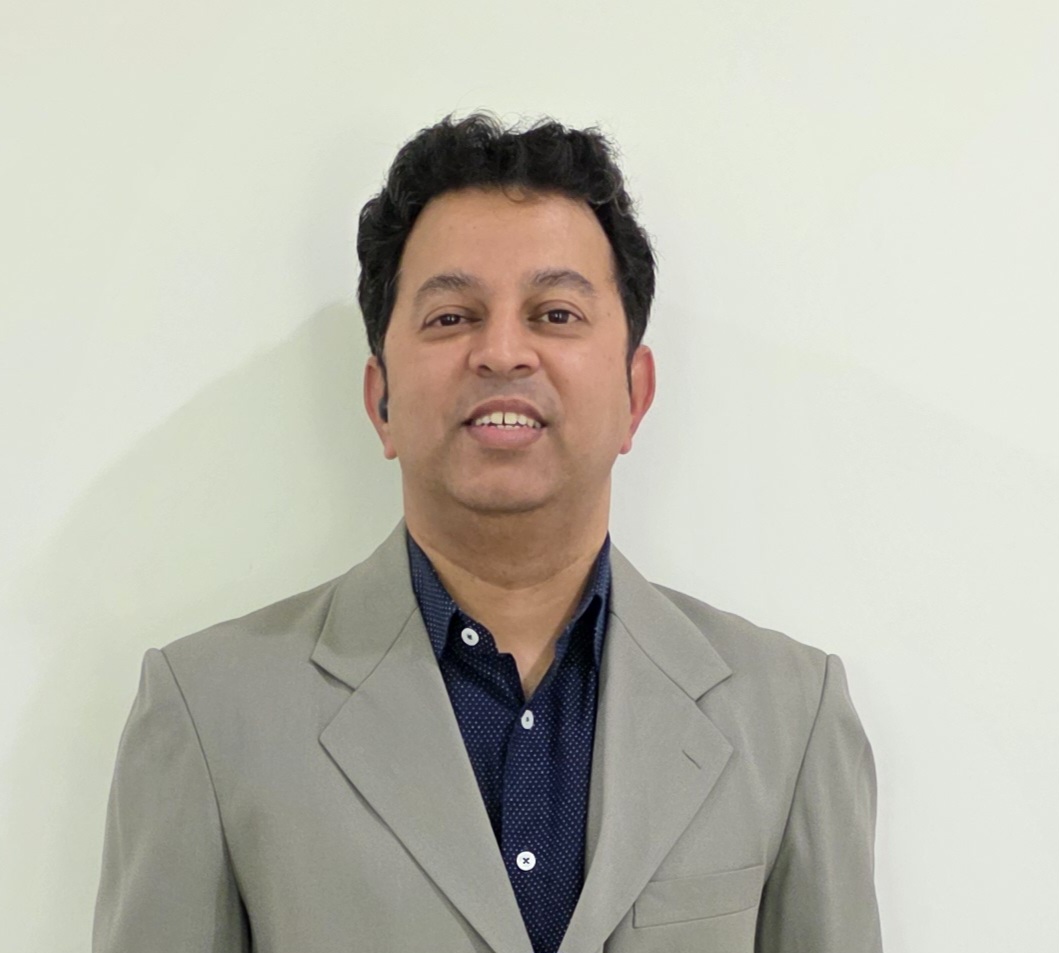
FELLOW MEMBER
Parag Gurunath Sakhalkar has built more than 22 years of progressive experience in computing with a specialized focus on cloud platform engineering, AI-driven infrastructure automation, and modern operations disciplines spanning DevOps and SRE. His career has been shaped by the demands of large-scale banking environments—settings where technology modernization must be executed with disciplined risk management, security-by-design, and sustained operational reliability. Across complex transformation programs, Sakhalkar’s work consistently extends beyond routine operations: he has led cloud migrations, created reusable automation frameworks, institutionalized observability and resiliency practices, and advanced cost governance through FinOps strategies grounded in engineering analysis.
A central theme in Sakhalkar’s portfolio is modernization through cloud-native architecture and repeatable automation. As a Cloud/DevOps/SRE Lead, he designed end-to-end cloud architecture and CI/CD pipelines to migrate Mortgage Line-of-Business applications to AWS and OpenShift. This effort required more than infrastructure provisioning; it demanded secure cloud patterns, disaster recovery planning, vulnerability management, and automated testing—implemented through platforms and tools such as GitLab, Helm, and Terraform. The innovation in this initiative came from applying cloud-native engineering discipline to traditionally legacy banking platforms, creating migration frameworks that reduce manual dependency and improve long-term maintainability. He complemented the technical migration with operational maturity—defining observability dashboards and introducing AI-assisted engineering practices through GitLab Duo AI to improve productivity and standardization.
Sakhalkar’s work also addresses a growing enterprise priority: aligning platform engineering with financial governance. As a Cloud Foresight/FinOps Lead, he drove optimization initiatives spanning Reserved Instances, Savings Plans, S3 Intelligent Tiering, and Graviton adoption. In banking-scale cloud environments, these levers become architectural decisions rather than procurement tactics. The innovation here was combining engineering-driven optimization with predictive financial modeling, using consumption pattern analysis to uncover architectural inefficiencies and recommend cost-efficient compute and storage designs that maintain performance and compliance requirements.
His modernization leadership extends into workflow automation and operational transformation. He provided leadership for RPA infrastructure setup and supported migration of loan document processing from a vendor solution to AWS S3, shifting manual and vendor-dependent operations into automated cloud workflows. This kind of work often determines whether modernization produces durable benefit: replacing brittle integrations with secure, scalable patterns that can be governed and evolved internally. Sakhalkar’s contributions included architectural guidance, secure integration design, and enabling automation at scale—delivering measurable cost savings through platform ownership and repeatability.
Resiliency engineering is another consistent thread across his work. He managed a major resiliency initiative involving the design of Active/Passive infrastructure for critical enterprise systems—work aimed at meeting strict uptime objectives and aligning with risk mitigation requirements common in financial services. The innovation was the re-architecture of existing platforms to support deterministic failover behavior. His responsibilities included defining failover strategies, assessing technical dependencies, and guiding implementations designed to reduce outage impact and increase operational confidence during incidents.
Across multiple initiatives, Sakhalkar has shown a bias for codifying operations into reusable infrastructure artifacts. He developed Terraform modules to automate Apigee Gateway deployments—introducing modular infrastructure-as-code in an area previously dependent on manual configuration and inconsistent environments. He also designed repeatable patterns and documentation for transferring more than 100 TB of data into S3 using AWS Snowball—engineering a secure, device-based ingestion process suitable for large-scale, high-compliance migrations. For database modernization, he supported migrations from Oracle to RDS Postgres using AWS DMS and schema conversion tooling, building Terraform modules and helping engineering teams structure migration planning for complex cross-engine transformations.
Earlier in his career, Sakhalkar led Level 2/3 production operations for major banking applications, where operational rigor is a primary measure of engineering value. He delivered root-cause analysis and SLA performance while reducing manual overhead through automated reporting and monitoring—such as dashboards and JCL-based report generation. This operational foundation informs his later modernization work: he approaches cloud engineering not as a one-time migration, but as an operating model that must continuously improve stability, visibility, and reliability.
Across these projects, Sakhalkar’s professional signature is consistent: he turns complex banking technology environments into cloud-capable platforms by combining architecture, automation, observability, resiliency, and cost governance. His career reflects sustained technical achievement and leadership in cloud modernization, anchored in disciplined engineering and continuous improvement—qualities aligned with the expectations of IICSPA Fellowship.