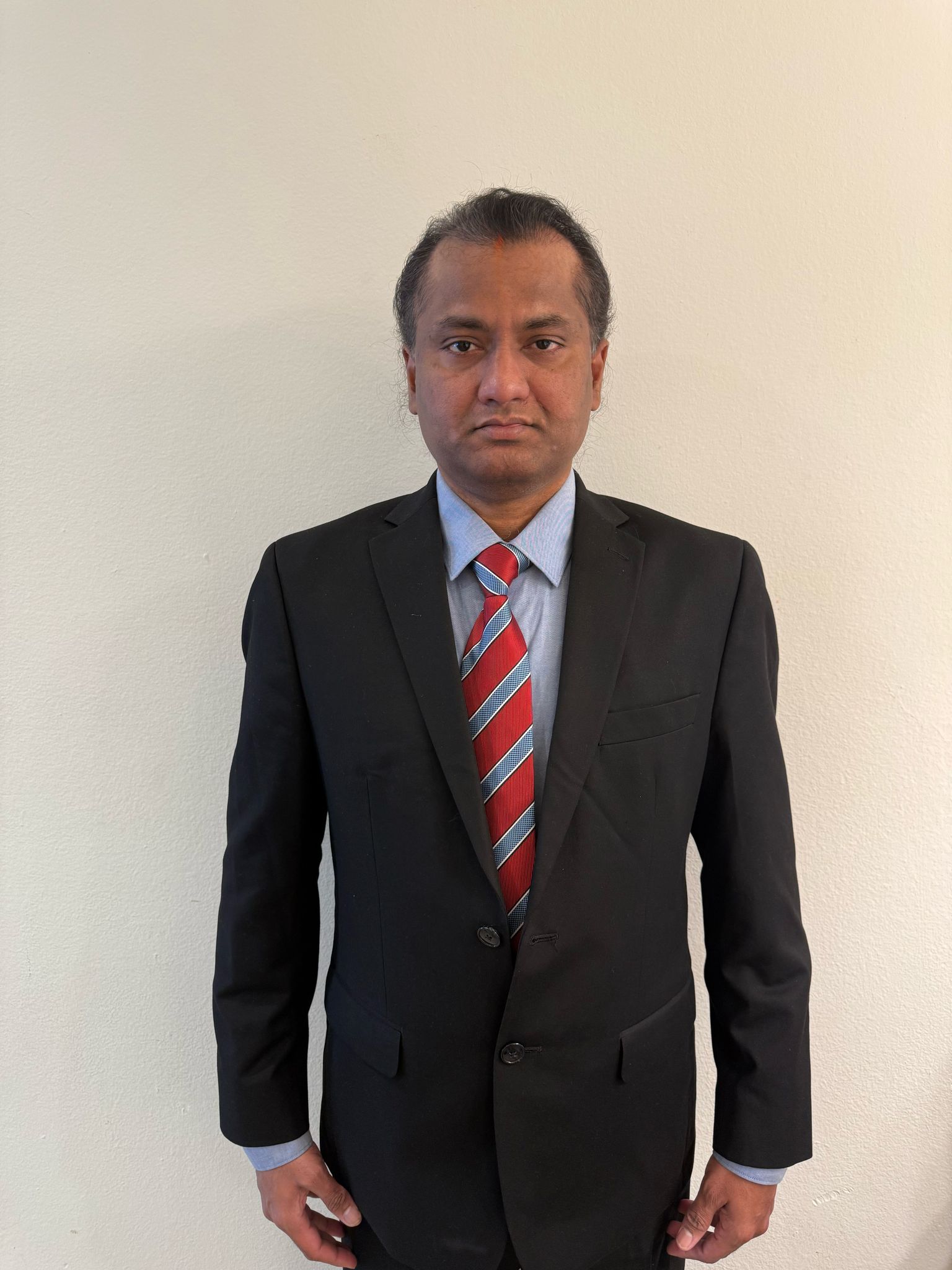
suresh Kotha Naga Venkata Hanuma
Microsoft Azure Architect at SICL America
FELLOW MEMBER
Suresh Kotha Naga Venkata Hanuma is a cloud architecture and infrastructure modernization leader with 18+ years of experience specializing in healthcare technology environments, enterprise-scale cloud migrations, disaster recovery engineering, and infrastructure optimization. His career has progressed through Microsoft-centric enterprise ecosystems into senior Azure architecture roles where delivery is defined by strict operational constraints: regulated data, high availability expectations, and security-by-design implementation. Across healthcare and large-enterprise engagements, Suresh has consistently worked on platforms that must remain secure, resilient, and cost-efficient while supporting data-intensive workloads and critical operations.
At Molina Healthcare, Suresh served as an Azure Architect responsible for designing and managing large-scale Azure IaaS and PaaS environments while coordinating offshore teams. His focus included strengthening disaster recovery posture, optimizing cloud cost structures, and enabling secure data platforms that support healthcare analytics and operational systems. A defining feature of this work was integrating Azure Databricks, Data Lake, Data Factory, and AI services inside a tightly controlled virtual network architecture—balancing advanced data processing capability with healthcare-grade security controls. He advanced environment governance through ARM templates that standardized deployments, reduced configuration drift, and improved repeatability across environments. He also designed and executed Azure Site Recovery (ASR) policies, coordinated DR testing, and implemented failover strategies that increased organizational resilience. In parallel, he delivered infrastructure optimization through cost-control planning—aligning performance requirements with financial efficiency in a regulated setting where overprovisioning is costly but underprovisioning can be operationally risky.
At PG&E, Suresh led a targeted engagement to migrate workloads from on-premises infrastructure to Microsoft Azure using Azure Migrate and Azure Site Recovery, prioritizing a secure, controlled transition aligned with strict enterprise security standards. He designed Azure network foundations—virtual networks, subnets, and network security group rules—to match PG&E’s security requirements, and integrated Azure Active Directory with on-premises Active Directory to ensure seamless identity and access governance. His approach demonstrated how Azure-native migration and recovery tooling can be applied systematically to reduce migration risk while preserving continuity and security alignment—moving the engagement beyond routine support into structured transformation delivery.
During his engagement with GS1, Suresh focused on building repeatable Azure governance through ARM template standardization, implementing Microsoft security standards, and designing disaster recovery solutions using ASR to strengthen availability through and after migration. He added routing resiliency by implementing Azure Traffic Manager for migrated applications—supporting continuity and controlled cutover behavior during transitional states. This work emphasized infrastructure-as-code discipline and cloud traffic management as practical levers for improving recoverability and uptime during modernization.
Earlier, at Conduent, Suresh served as an Azure Cloud Solutions Administrator, operating SaaS/IaaS/PaaS environments while leading automation and CI/CD enablement initiatives. He built PowerShell automation to reduce manual intervention and operational risk, and contributed to Azure DevOps pipeline creation to improve deployment consistency and speed. These efforts shifted operations from reactive monitoring to repeatable engineering workflows—embedding automation as an operational standard rather than an optional enhancement.
Across these engagements, Suresh’s profile is defined by the engineering traits required in regulated cloud environments: secure network and identity design, infrastructure-as-code governance, disaster recovery architectures tested in practice, and optimization of cloud spend without compromising reliability. His work demonstrates applied innovation through operational architecture—systems designed to be repeatable, compliant, resilient, and cost-aware.