Surya Lankalapalli
Principal Software Engineer at Microsoft Corporation
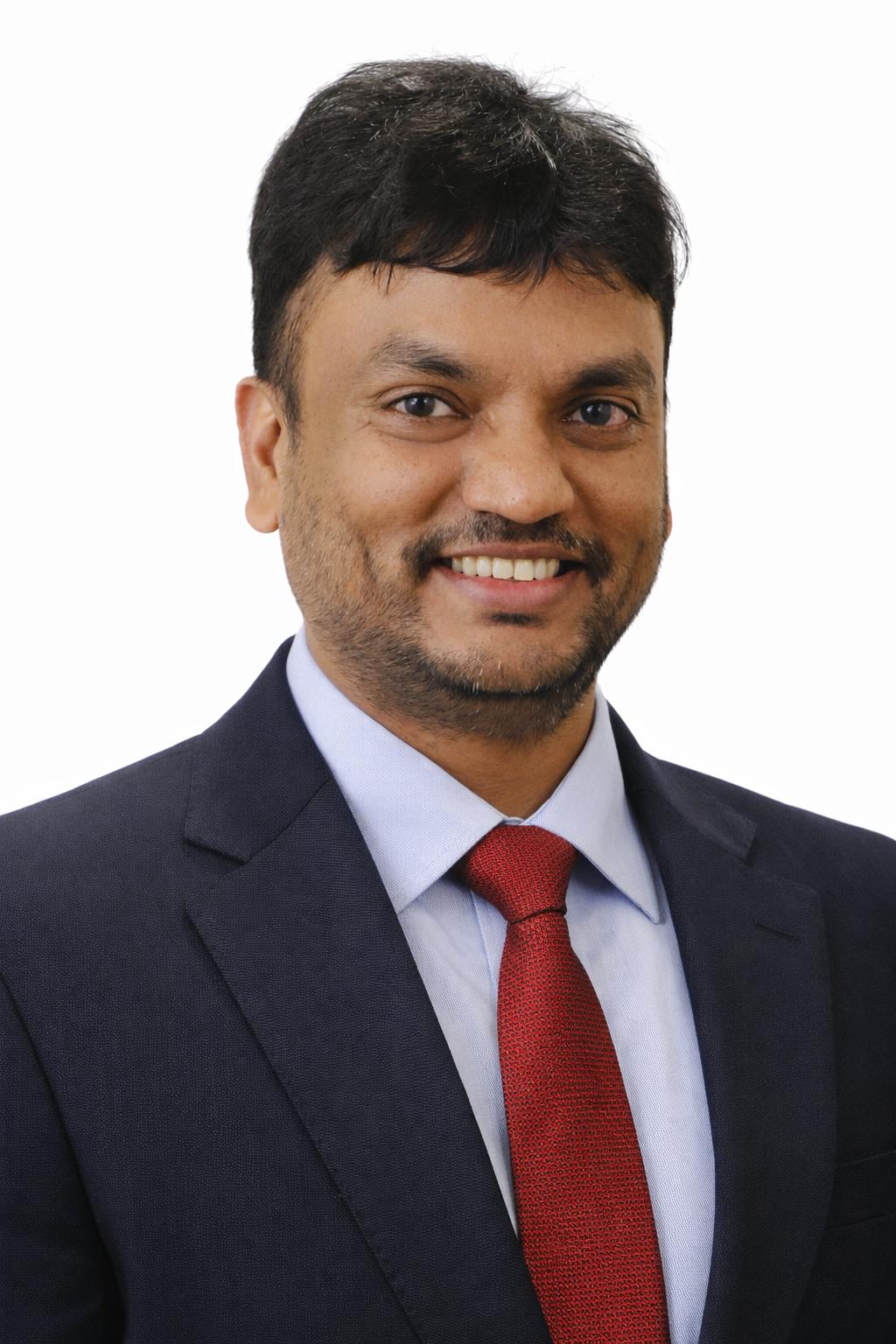
FELLOW MEMBER
Surya Lankalapalli has built a distinguished career of more than 20 years in cloud infrastructure and platform engineering, with deep specialization in identity and access management services, DNS resiliency, sovereign cloud automation, and large-scale infrastructure governance. His work sits in one of the most critical layers of modern computing: the foundational systems that make identity, collaboration, and secure enterprise access possible at global scale. Across senior and principal engineering roles, he has consistently operated in environments where service continuity, policy enforcement, regulatory alignment, and automation maturity are central to platform success.
A defining feature of Surya Lankalapalli’s career is that his work is not merely about deploying cloud infrastructure, but about embedding trust, control, and resilience directly into platform design. This is especially visible in his Microsoft work, where multiple initiatives align with publicly documented Microsoft priorities in sovereign cloud, trusted namespaces, identity services, and unified API ecosystems. Microsoft has publicly described its sovereign cloud strategy, including National Partner Clouds such as Bleu in France and Delos Cloud in Germany, as independently operated environments designed to meet country-specific sovereignty requirements. Within that context, Surya Lankalapalli’s role in sovereign cloud buildout automation is significant because it addresses the hard engineering problem of turning sovereignty requirements into repeatable, audit-ready infrastructure delivery.
His described work on sovereign cloud buildout automation used Infrastructure-as-Code patterns, modular Azure Bicep templates, policy-as-code, and CI/CD validation against regulatory baselines. That is an architecturally meaningful contribution. Sovereign cloud environments are difficult not only because of technical deployment complexity, but because they must preserve local control, satisfy regulatory expectations, and remain repeatable under strict governance constraints. By embedding compliance, governance, and security checks directly into automated delivery pipelines, he advanced a model in which regulation becomes part of system architecture rather than a manual review layer. That aligns closely with the broader public direction of Microsoft’s sovereign cloud program in Europe.
Another major contribution is his work on the unified .microsoft domain strategy for Microsoft 365. Microsoft publicly states that .microsoft is an exclusive dot-brand top-level domain designed to improve security, trustworthiness, and integrity, and that cloud.microsoft is being used to consolidate authenticated Microsoft 365 experiences under a unified trusted domain. Microsoft also notes benefits including reduced allow-list complexity, improved security boundaries, and clearer legitimacy for end users. In that environment, Surya Lankalapalli’s role in migration architecture, DNS engineering, deployment automation, and governance controls reflects a contribution that goes beyond branding or endpoint renaming. It represents infrastructure-level work in trusted namespace consolidation, service continuity, and global domain governance for a major productivity ecosystem.
His identity-routing resiliency work for Microsoft Entra also fits squarely within modern enterprise infrastructure priorities. Microsoft documents Entra and related access technologies around Zero Trust, private access, and global secure connectivity. Although the public sources do not describe his exact internal routing architecture, the profile’s focus on multi-provider DNS and traffic management, observability, health probes, and disaster-recovery validation is consistent with the sort of globally distributed resilience design required for identity platforms. Identity is one of the most sensitive infrastructure domains in computing because outages or routing failures can instantly affect authentication, productivity, and security posture across entire ecosystems. His work in reducing single points of failure and improving continuity for global identity services therefore reflects meaningful systems-level impact.
A similar architectural pattern appears in his work on Azure Private Link for Azure Active Directory. Microsoft’s broader Entra and private-access materials emphasize Zero Trust principles, controlled access, and private connectivity as foundational security models. Surya Lankalapalli’s described role in re-architecting authentication connectivity over private endpoints with integrated Private DNS shows a mature infrastructure approach: using network design and policy enforcement to reduce exposure rather than relying only on traditional perimeter mechanisms. That kind of contribution is especially relevant in regulated or security-sensitive cloud environments, where private access patterns can materially strengthen control and audit posture.
His involvement with Microsoft Graph further demonstrates his role in large-scale platform unification. Microsoft publicly describes Microsoft Graph as the unified API for modern work and the core API surface across Microsoft 365 and Microsoft Entra data and services. In that context, his work supporting identity and authorization governance and cross-team architectural consistency around Microsoft Graph reflects a contribution to one of Microsoft’s most strategically important developer and enterprise integration platforms. Consolidating fragmented APIs into a unified, identity-centric fabric is not just a developer-experience improvement; it changes how enterprises integrate collaboration, security, and identity data at scale.
Earlier in his career, his work on Syngenta’s portal migration at Infosys shows the same recurring strengths in another enterprise setting: platform modernization, migration strategy, access control, and structured governance. Leading migration from MOSS 2007 to SharePoint Server 2010 while preserving multilingual customizations and operational continuity demonstrates that his infrastructure leadership predates the current cloud era and has consistently involved the careful modernization of mission-critical enterprise collaboration systems.
Taken together, Surya Lankalapalli’s career reflects a sustained record of building the invisible but essential infrastructure that makes digital trust possible. His work spans sovereign cloud delivery, global DNS and domain architecture, identity resiliency, private authentication paths, and API unification. These are not peripheral enhancements; they are foundational systems that shape the availability, security, and governability of large-scale enterprise and public-sector platforms. That body of work presents a strong and credible basis for Fellowship-level recognition.